BMW automobiles are renowned for their strong engines, agile handling, and cutting-edge engineering. Factory performance is only the start for a lot of fans. Enhancing acceleration, boosting horsepower, and making driving more enjoyable are all possible with engine tuning. But altering a complex car without being aware of its technical constraints might lead to major issues. A seemingly straightforward performance enhancement might ultimately result in costly engine repairs, transmission damage, or decreased dependability. For BMW owners who want to improve performance without sacrificing the condition of their car, it is crucial to understand common tuning errors.
Increasing Engine Power Without Taking Mechanical Limitations Into Account
One of the most frequent errors made by BMW owners is to concentrate just on increasing horsepower without taking into account the impact of increased power on internal engine components. Exceeding the mechanical and thermal limits of any engine may put undue strain on pistons, connecting rods, turbochargers, and other vital components.
Aggressive engine tuning may raise operating temperatures and cylinder pressure over what certain parts can consistently withstand. Even while contemporary BMW engines are built to function admirably, their capacity to handle more power relies on the engine’s condition, maintenance history, and the particular modifications made. Before boosting power output, a well-thought-out tuning method takes these considerations into account.
Selecting Inexperienced Technicians To Make Performance Adjustments
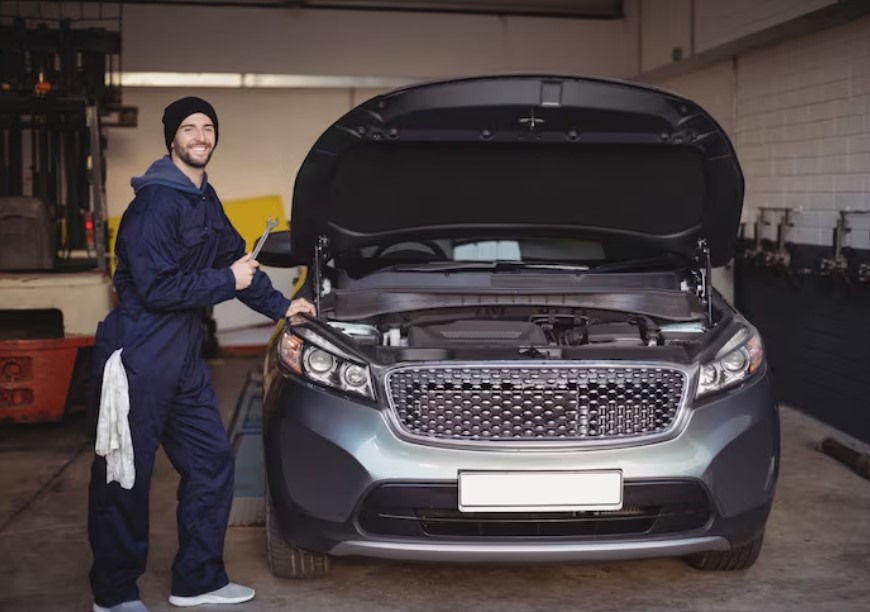
A thorough understanding of engine management systems, electrical controls, and mechanical components is necessary for BMW performance tuning. Selecting a workshop only on the basis of affordability may result in software that is not properly calibrated, improper adjustments, or alterations that are inappropriate for a certain engine.
BMW tuning Brisbane customers should look for professionals who are knowledgeable about BMW engineering and have the right diagnostic tools. Skilled experts are able to assess engine health, spot current mechanical issues, and suggest changes that are appropriate for the vehicle’s intended usage. The likelihood of unforeseen problems during tuning may be decreased with careful evaluation.
Disregarding The Needs Of The Cooling System
In general, increased engine power generates more heat, especially in cars with turbochargers. Components may wear out more quickly or perform worse when cooling systems are unable to control rising temperatures. Oil deterioration, cooling system issues, and damage to delicate engine parts may all be caused by excessive heat.
When upgrading engine software, some BMW owners don’t think about whether their current cooling system can handle the increased performance requirements. Improvements to intercooling, radiator capacity, or other thermal management components may be required, depending on the vehicle and tuning level. It is possible to detect possible cooling restrictions before they become major mechanical issues by keeping an eye on operating temperatures under severe driving circumstances.
Using Subpar Engine Tuning Software
Electronic control units play a major role in controlling ignition timing, fuel supply, turbocharger boost, and many other operational parameters in modern BMW engines. These intricately synchronised systems may be disrupted by poorly designed tuning software, which may result in increased component stress, unstable performance, or engine banging.
Unnecessary dangers may arise from generic tuning files that do not take into consideration vehicle specs, fuel needs, or previous modifications. A trustworthy calibration should be suited for the particular engine and backed by adequate testing. Because an engine may seem to run properly while encountering unfavourable combustion conditions under high acceleration, diagnostic monitoring is crucial.
Ignoring Drivetrain And Transmission Components
More than just the engine itself is impacted by increasing engine torque. The increased forces created during acceleration must also be managed by the differential, driveshafts, clutch assembly, and gearbox. Ignoring these elements may lead to mechanical failure, shifting issues, or early wear.
Depending on the type, condition, and calibration, certain BMW gearboxes may handle modest performance boosts. Owners should be aware of the drivetrain’s limits before making significant changes. Maintaining smooth functioning and minimising needless stress on costly components may be achieved with proper maintenance and cautious torque control.
Conclusion
When BMW performance tuning is well planned and backed by appropriate technical preparation, it may enhance the pleasure of driving. However, performance gains may easily become expensive repairs due to excessive power increases, inappropriate software, insufficient cooling, and ignored maintenance. Owners may make smarter modification selections by knowing how engine power, component durability, and vehicle dependability are related. The greatest chance to experience enhanced performance while safeguarding the vehicle’s long-term health is to use a balanced strategy that places a high priority on professional knowledge, suitable testing, and continuous maintenance.